
What is a Glossary?
A glossary is a specialized list of terms along with their definitions, typically related to a specific subject or field. It acts as a reference tool that helps clarify jargon and technical language, making complex concepts more accessible to readers. Glossaries are found in various areas, including education, technical writing, medicine, and law, serving to enhance understanding and facilitate effective communication.
The Purpose of a Glossary
Glossaries serve several important functions:
- Clarification of Jargon: Many fields of study involve specialized terminology. A glossary provides clear definitions, helping newcomers understand complex language.
- Enhanced Learning: For educational contexts, glossaries aid students in mastering the vocabulary specific to a subject, which promotes better comprehension and retention.
- Improved Communication: In professional and casual settings, glossaries ensure that all parties have a shared understanding of critical terms.
- Localization: For global audiences, glossaries help maintain the intended meaning of terms when translated.
The Historical Context of Glossaries
The concept of glossaries dates back to ancient civilizations. Scholars in ancient Greece and Rome compiled lexicons and glossaries to preserve knowledge and assist readers in understanding complex language. Some of the earliest glossaries, dating back to the first century AD, contributed to academic work across various disciplines. As education systems developed, particularly during the Middle Ages, glossaries became integral to university curricula. The advent of the printing press in the 15th century facilitated the production and distribution of glossaries, allowing them to reach broader audiences. In the modern era, glossaries continue to find relevance in academic, technical, and digital content, emphasizing the necessity of clear communication in specialized domains.
What is a WordPress Glossary?
A WordPress glossary adapts traditional glossary concepts to the WordPress platform. It provides a dedicated section or feature where users can find definitions of terms relevant to the site’s content. This enhances user experience by allowing visitors to grasp key concepts quickly and efficiently. It looks like this:
Features of a WordPress Glossary
- Definitions and Explanations: Lists terms alongside their definitions, allowing users quick reference to jargon or technical language.
- Enhanced Navigation: It organizes terminology for easy access, helping users find terms while exploring related content.
- Search Functionality: Users can type a term and quickly find its definition, improving usability.
- Alphabetical Listings: Well-structured glossaries enable users to navigate terms easily.
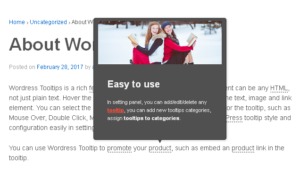
- Tooltips: Some glossaries display definitions when hovering over specific terms, facilitating seamless access to information.
Why Include a Glossary on Your WordPress Site?
- Improved User Experience: Glossaries help visitors who encounter unfamiliar terms, allowing for greater engagement with the material.
- Increased Engagement: Quick access to definitions encourages users to spend more time on your site, exploring additional content.
- Search Engine Optimization (SEO): Glossaries create extra content that improves search visibility, potentially drawing more visitors to your site.
- Establishing Authority: By providing well-researched definitions, a glossary positions your site as a trusted information source.
- Facilitating Learning: For educational websites, glossaries are vital in helping learners navigate complex subject matter.
Why Should WordPress Webmasters Use a WordPress Glossary Plugin?
Using a WordPress glossary plugin can greatly simplify the creation and management of a glossary:
1. Simplicity and Ease of Use
These plugins are user-friendly, allowing webmasters to create and manage glossaries without extensive technical skills. Most provide intuitive interfaces for adding and editing terms.
2. Customization Options
Many plugins offer customization features, allowing you to tailor the appearance and functionality of the glossary to match your site’s design.
3. Search Functionality
Built-in search features let users locate terms quickly, enhancing the overall user experience.
4. Tooltip Capabilities
Plugins often include tooltips, providing definitions when users hover over terms, thus improving accessibility.
5. Automatic Linking
Some plugins can automatically link defined terms throughout your website, ensuring consistent presentations and easier access to definitions.
6. Responsive Design
Most plugins are designed to work seamlessly across devices and screen sizes, ensuring accessibility for all users, whether on a smartphone, tablet, or desktop.
7. SEO Optimization
Glossary plugins allow for SEO-friendly URLs and metadata for better search visibility, positively impacting your site’s ranking.
8. Time Efficiency
Glossary plugins automate many processes, allowing webmasters to save time and redirect focus to other essential site aspects.
9. Support and Updates
Popular glossary plugins typically offer dedicated support and regular updates, ensuring functionality with the latest WordPress versions.
10. Comprehensive User Documentation
Good plugins come equipped with extensive documentation, helping users maximize their potential through installation guidelines and customization tips.
More details please check WordPress glossary features
Implementing a Glossary on Your WordPress Site
Creating a WordPress glossary involves several straightforward steps:
Step 1: Choose the Right Glossary Plugin
Explore various glossary plugins available in the WordPress Plugin Directory. Popular options include:
- WordPress Tooltips Plugin: Features tooltips, an easy-to-navigate glossary page, and automatic linking of terms. (pro version download URL: https://tooltips.org)
- WP Glossary: A simple solution for creating a glossary section on your site.
- Glossary by Tips and Tricks HQ: Offers customization options suitable for any site.
Step 2: Install and Activate the Plugin
After choosing a plugin, install and activate it through your WordPress admin dashboard. Navigate to “Plugins” > “Add New,” search for your chosen plugin, click “Install Now,” and then “Activate.”
Step 3: Configure Plugin Settings
Navigate to the plugin’s settings page to customize options like glossary appearance, tooltip behaviors, and search features.
Step 4: Add Terms and Definitions
Begin building your glossary by adding terms and their definitions using the plugin interface.
Step 5: Organize the Glossary
Consider grouping terms by topics or using an alphabetical listing to enhance usability.
Step 6: Embed the Glossary on Your Site
Decide where to make your glossary accessible; creating a dedicated page, linking it in your navigation menu, or embedding it in related articles are effective options.
Step 7: Keep the Glossary Updated
Regularly update the glossary as your website evolves, ensuring you include relevant new terms and remove outdated ones.
Conclusion
Glossaries play a critical role in enhancing understanding and navigation within specialized fields. As they have evolved over time, their relevance has only increased, especially with the rise of digital content. A WordPress glossary offers tailored solutions to improve user experience, engagement, and SEO performance. By utilizing a WordPress glossary plugin, webmasters can create an engaging resource that enriches their site and positions it as an authoritative source of information in its niche. Implementing a glossary on your WordPress site not only empowers your audience with valuable knowledge but also enhances your site’s overall effectiveness in conveying information.




Leave a Reply